Plug-in solar panels to be in UK shops within months

British Summer Time has just begun, and in anticipation of the auspicious event His Majesty’s Government issued a long overdue press release last week. The initial bullet points of greatest interest to the team here at DES Ltd. read as follows:

  • ‘Plug-in’ solar panels to be in shops within months, offering households chance to significantly cut energy bills 
  • New rules introduced today to ensure majority of new homes in England will come with solar panels fitted as standard

Regarding the first bullet, the Government has this to say:

Today, the government is driving forward with the rollout of “plug-in” solar panels (low-cost panels that families can put on their balconies or outdoor space) to be available in shops within months and save people money on their bills. 

Retailers like Lidl and Iceland, alongside manufacturers such as EcoFlow, are working with government to enable them to be brought to the UK market. 

Plug-in solar is already widely used by households across Europe, with Germany seeing around half a million new devices plugged in per year. The free solar power can be used directly through a mains socket like any other device, without an installation cost, thereby reducing the amount of electricity taken from the grid and cutting energy bills.

The easy-to-install technology could save many households significant amounts on their energy bills and help make the UK less reliant on global fossil fuel markets.

The Department for Energy Security and Net Zero has even produced a YouTube short video. Michael Shanks MP, Minister for Energy, explains that:

This doesn’t replace the grid, but it’s a smart source of extra power for your home, and it’s about time we had them here in the UK! Last year alone, in Germany, more than half a million of these were plugged in.

When do you suppose it will be possible to actually purchase such “easy-to-install technology” in “the middle of Lidl” in the UK? The moment cannot come soon enough!

Moving on to our second bullet, the press release adds:

The government has taken decisive action in response to the conflict in the Middle East to fight for consumers and businesses on the cost of living, and is speeding up plans for more clean, homegrown energy that the UK controls to ensure energy sovereignty and security. 

This is alongside new rules coming into force today implementing the Future Homes Standard, which includes common-sense measures to ensure the majority of new homes are built cheaper to run, with solar panels and clean heating as standard. 

Isn’t it a shame that David Cameron’s Conservative Government pulled the plug on the previous Labour Government’s “Zero Carbon Homes” initiative way back in 2015?
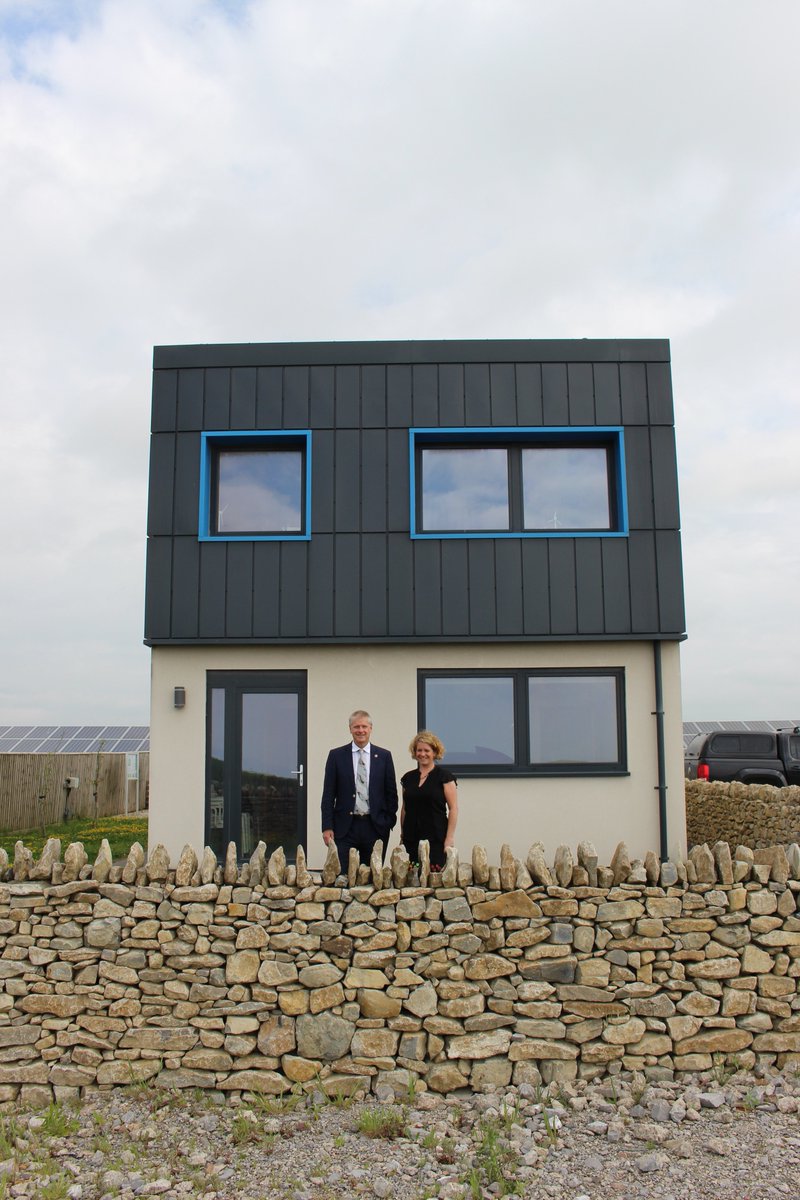
The SOLCER “Zero Carbon” House pictured in 2015

UK Government publishes Onshore Wind Taskforce strategy

In a policy paper announced earlier today His Majesty’s Government has published the final report of its Onshore Wind Taskforce. According to Ed Miliband, Secretary of State for Energy Security and Net Zero:

It sets out more than 40 steps government and industry will take to help deliver up to 29GW of onshore wind by 2030. That includes driving ambitious reforms to planning, grid connections, and routes to market, while building the supply chains and skilled workforce we need.

As part of this, we will consult on how permitted development rights can support the rollout of small-scale onshore wind and repowering. Great British Energy, our publicly owned energy company, will invest in and develop renewables projects. And we will work with the Ministry of Defence to take a mission-driven approach to addressing issues relating to wind turbines and defence infrastructure, which have slowed down deployment in the past.

According to the Executive Summary of the report:

Under this Government we removed the defacto ban on onshore wind in England, and are delivering radical action to unlock 27-29GW of onshore wind by 2030 across GB. That’s around 10-12GW more than would have been deployed under historic growth rates, with England contributing around 2GW by 2030.

Onshore wind is among the cheapest sources of new electricity generation to build and operate at scale. Scaling up home-grown renewables, like we’re doing for onshore wind, reduces the UK’s exposure to volatile global fossil fuel prices, which protects consumer energy bills against future price shocks.

In the depths of the report Action Item 14 mentions energy storage:

The Strategic Spatial Energy Plan (SSEP) will support a more actively planned approach to energy infrastructure across England, Scotland and Wales, land and sea between 2030 to 2050. It will do this by assessing and identifying the optimal locations, quantities and types of energy infrastructure required for generation and storage, including onshore wind, to meet our future energy demand with the clean, affordable and secure supply that we need.

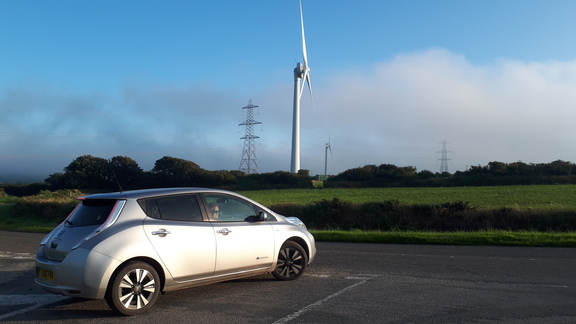
Lisa the LEAF cannot contain her excitement at the news!

She cannot wait to drive up to Westminster to explain to Ed et al. the potential benefits of rolling out mobile distributed energy storage in conjunction with the promised renewable energy generation. In other words, lots and lots of bidirectional electric vehicles connected to an even greater number of bidirectional EV charging stations!

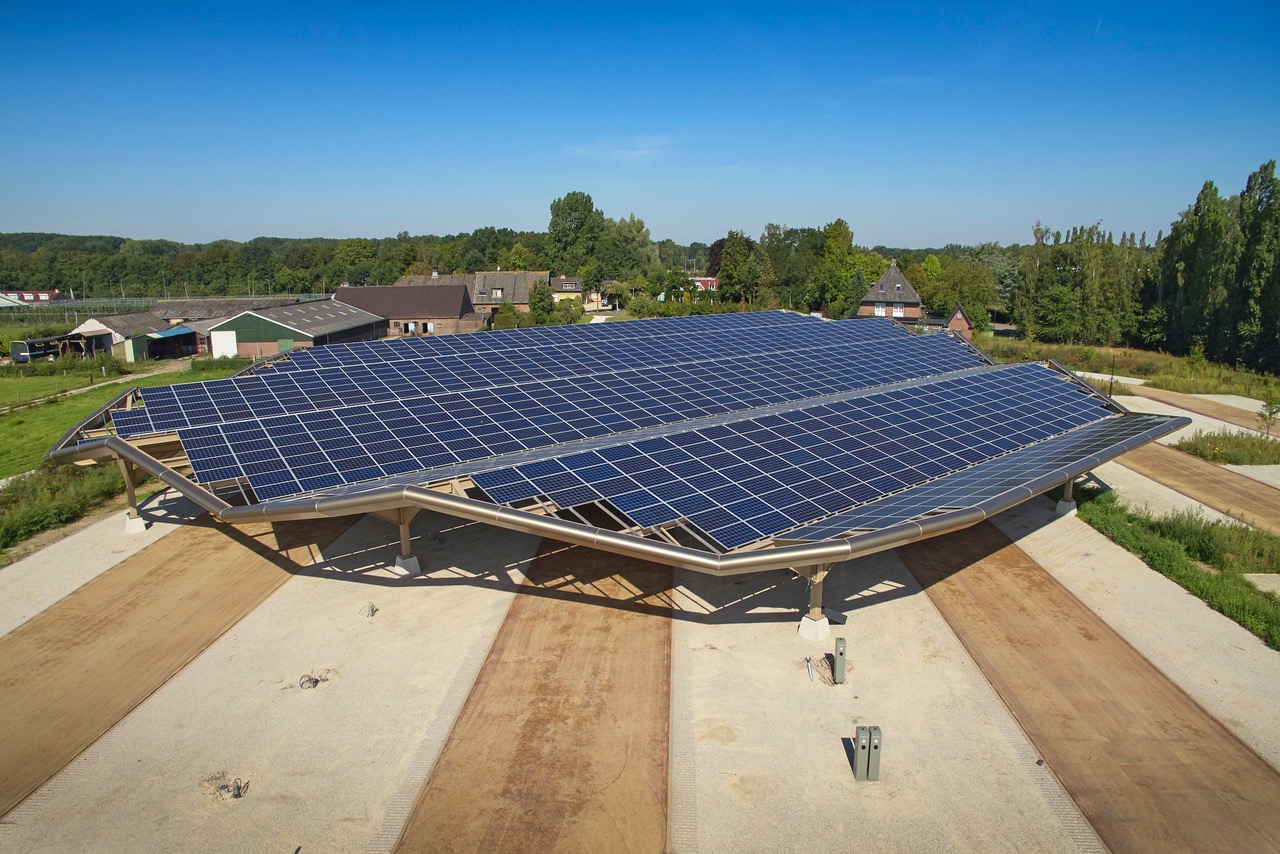
Many of which could be installed in car parks, under a canopy of solar PV panels. Here’s one the Netherlands invented earlier: